
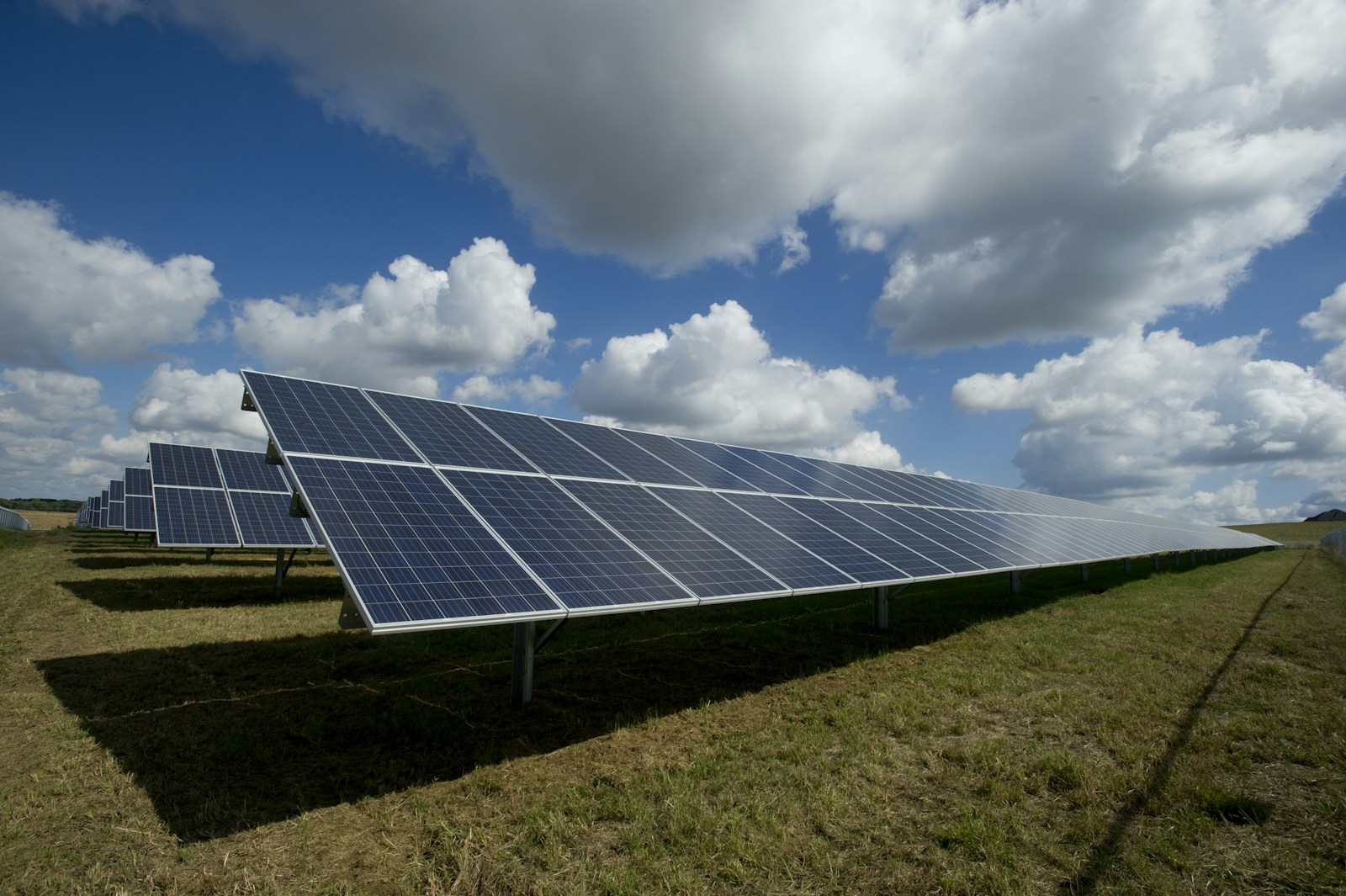
Shipley sits on the River Aire about four miles north-north-west of Bradford, a town of roughly 14,000 people best known for its neighbour Saltaire — Sir Titus Salt's Victorian model village, a UNESCO World Heritage Site since 2001 and home to Salts Mill and its David Hockney galleries. Beyond that world-famous core, Shipley is a working town of Yorkshire-stone terraces, inter-war semis and hillside estates climbing away from the valley floor, and for most of those homes solar panels are a straightforward, high-value upgrade in 2026.
Shipley's setting does demand a little more care than a typical suburb. The Saltaire Conservation Area, designated in 1971, and the surrounding World Heritage Site carry strict planning controls, and nearly every building within the village is listed. That makes Shipley a town where choosing an installer who understands local heritage designations — and knows when a system is permitted and when it needs consent — genuinely matters.
How much energy will a Shipley roof produce?
Shipley lies in the Aire Valley on the eastern Pennine slopes, sheltered somewhat by the surrounding hills but still catching a fair share of West Yorkshire's roughly 1,340 annual sunshine hours. A well-sited 4kW array here typically generates around 3,300–3,600 kWh a year; the exact figure depends heavily on whether your roof faces the open valley or is overshadowed by the steep terrain and mature trees along the Aire. Our Solar Panels Shipley page breaks down expected yields for the town's varied roof aspects.
The 2026 cost and savings picture
Solar has become markedly more affordable. The 0% VAT rate on domestic installations, in force since 2022, removes a significant sum from a typical job — fully explained in our guide to solar panel grants and the 0% VAT scheme. With a Smart Export Guarantee tariff paying up to around 15p per exported kWh on top, most Shipley homes reach payback in roughly 7–10 years on equipment warranted for 25 years or more.
A 3.5kW system (terrace) generates roughly 3,000 kWh a year with a payback of around 8–10 years; a 4kW system (typical semi) around 3,450 kWh with a 7–9 year payback; and a 5–6kW system with battery (larger home) around 4,300 kWh with a 7–10 year payback — all at 0% VAT. Every installation is quoted individually — request a free, no-obligation quote.
In the shaded valley-side plots common around Shipley, panel-level optimisers or microinverters often lift real-world output noticeably, and a battery helps you keep more of what you generate. Further up the Aire valley, see our Tesla Powerwall installation in Keighley page for the storage side.
Designing around the Aire Valley
Shipley's topography is the single biggest factor in getting solar right here, and it is where good design pays off. Homes on the higher ground around Nab Wood, Windhill and the estates climbing away from the river often have excellent open aspects and produce strong, consistent output. Properties down on the valley floor, or overshadowed by the steep wooded banks along the Aire and the canal, need more thought — morning or afternoon shade from terrain and mature trees can knock a chunk off a naively designed array. This is exactly where panel-level electronics earn their cost, isolating any shaded panel so it does not drag down the rest of the string.
The mix of housing across Shipley — from Saltaire's protected stone terraces to inter-war semis and modern infill — means there is no single template that fits every roof. We survey each property on its own merits, model the shading through the day, and size the system to your actual consumption rather than the maximum the roof could physically hold. For many Shipley households a solar-and-battery combination makes the most sense, banking the valley's brighter mid-day generation to cover the evening peak and reduce reliance on increasingly expensive grid imports.
Planning: Saltaire and beyond
For the majority of Shipley — the estates and streets outside the heritage core — solar is permitted development, needing no application where panels sit within 200mm of the roof and the property is not listed. Inside the Saltaire Conservation Area and World Heritage Site, however, the rules are strict: with almost every building listed and additional World Heritage planning protections in place, solar there will generally require planning permission and often listed-building consent, with careful attention to visibility. We assess exactly which regime applies to your address before proposing anything, so heritage homeowners get honest, compliant advice rather than a one-size-fits-all pitch.
Grid connection
Shipley falls within Northern Powergrid's distribution area. Systems up to 3.68kW use the G98 'fit and inform' route — commissioned first, then notified within 28 days — while larger arrays and solar-plus-battery installations require a G99 application approved before work begins. As an NICEIC-approved and Tesla-certified installer, we handle every DNO submission for you, start to finish.
Shipley work is handled alongside the rest of the district; our solar panels Bradford page covers the wider city.
Book your free survey
Given Shipley's mix of valley shading and heritage designations, an on-site survey is especially important here. We check pitch, orientation and shading, confirm any conservation or listed-building constraints, review your electricity use, and design a system that fits both your roof and the rules. To start, book a free survey and we will provide a fixed written quotation.
See how Shipley compares with nearby towns on our local guides hub, browse the full areas we cover, or read about our complete solar panel installation service. For pricing on your Shipley home, visit the Shipley solar panels page.