
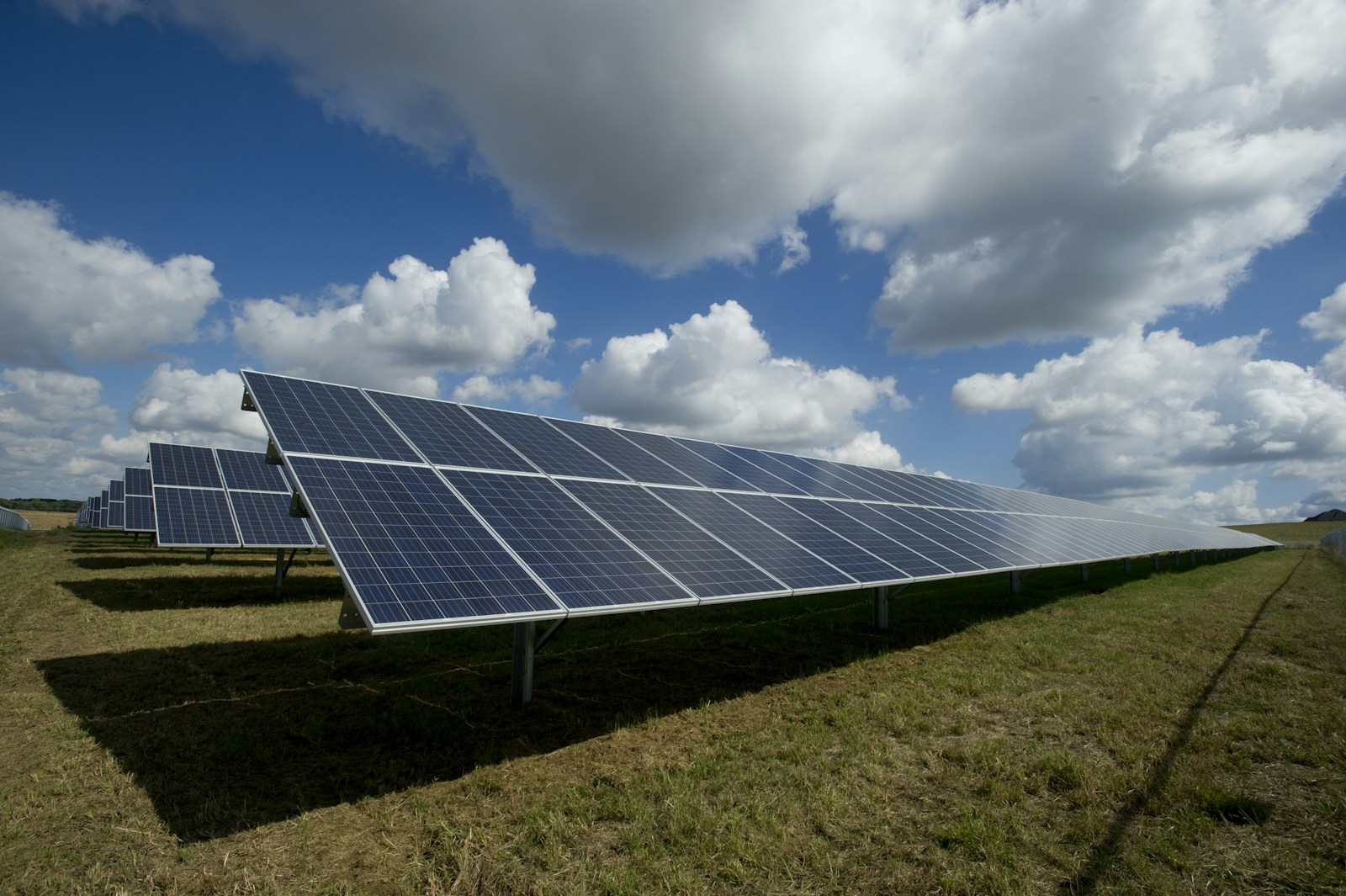
Pudsey occupies the ridge between Leeds and Bradford, a market town first recorded in the Domesday Book as Podechesaie and shaped for centuries by the woollen trade. Since being absorbed into the City of Leeds in 1974 it has become a sought-after commuter suburb, and its housing reflects that layered history: rows of Victorian stone terraces and back-to-backs, solid inter-war semis, and pockets of newer development, with average prices now around £219,000. For owners across LS28, solar panels are one of the few home upgrades that both cut monthly outgoings and add lasting appeal. Weighing up options across the wider city as well? The Solar Panels Leeds page covers the LS postcodes in detail.
Pudsey also has real heritage to respect. The Pudsey Conservation Area applies special planning controls to preserve the town's historic character, and on the edge of town sits Fulneck, a Moravian settlement founded in 1744 with a Grade I listed chapel and rows of protected Georgian buildings. None of this rules out solar — but it does mean local knowledge matters when siting an array, which is where a Yorkshire-based installer earns its keep.
Pudsey's solar potential
Pudsey sits on the eastern Pennine slopes in the Leeds–Bradford conurbation, where the eastern side enjoys reasonable sunshine despite the wetter hills further west. Working from the region's roughly 1,340 annual sunshine hours, a typical 4kW system in Pudsey produces around 3,400–3,600 kWh a year. The town's many south- and west-facing terraced roofs are often better candidates than people assume, and even east–west split arrays spread generation nicely across the day. Our Solar Panels Pudsey page sets out expected output for the local housing types.
2026 costs, savings and payback
The financial case has rarely been clearer. Domestic solar has carried 0% VAT since 2022, worth a significant sum off a typical installation — the detail is in our guide to solar panel grants and the 0% VAT scheme. Add a Smart Export Guarantee tariff paying up to around 15p per exported kWh and most Pudsey homes recover their investment in roughly 7–10 years, then keep generating free electricity for 25 years or more.
A 3.5kW system (terrace) generates roughly 3,050 kWh a year with a payback of around 8–10 years; a 4kW system (typical semi) around 3,500 kWh with a 7–9 year payback; and a 5–6kW system with battery (larger home) around 4,400 kWh with a 7–10 year payback — all at 0% VAT. Every installation is quoted individually — request a free, no-obligation quote.
For Pudsey's traditional terraces with limited roof area, a smaller high-efficiency array paired with a battery often makes the most of every square metre.
Getting the most from a Pudsey roof
Pudsey's ridge-top position between two cities is genuinely useful for solar. Sitting up on the watershed, many homes here — particularly on the higher streets and the newer developments — enjoy open aspects with little to shade them for much of the day, which is exactly what a photovoltaic array wants. The town's traditional back-to-backs and through terraces do present smaller individual roof areas, but modern panels are far more efficient per square metre than the units of a decade ago, so even a modest Pudsey roof can host a system that covers a serious share of a household's demand.
Where roof space is genuinely tight, we focus on quality over quantity: high-output panels on the best-oriented slope, an appropriately sized inverter, and a battery to bank surplus for the evening. That approach suits Pudsey's commuter households, many of whom are out during peak generation hours and want to capture that free daytime energy rather than export it cheaply. Pairing solar with an EV charger is increasingly common here too, letting drivers top up on their own sunshine instead of the grid. The result is a system tailored to the realities of a compact Yorkshire terrace rather than a generic estate-house template.
Planning: watch the conservation area
Across most of Pudsey, solar is permitted development — no application needed where panels sit within 200mm of the roof and the home is not listed. But the town has two important caveats. First, properties inside the Pudsey Conservation Area face tighter controls, and panels on a front, road-facing roof slope may require planning permission. Second, listed buildings — concentrated around Fulneck — will need listed-building consent regardless of panel position. We check your exact address against these designations before quoting, so you know upfront whether a standard install or a planning application is the right route.
Grid connection with Northern Powergrid
Pudsey is served by Northern Powergrid. Systems up to 3.68kW use the G98 'fit and inform' notification (installed, then registered within 28 days); larger arrays and solar-plus-battery systems need a G99 application approved beforehand. As an NICEIC-approved, Tesla-certified installer, we manage the whole DNO process on your behalf so you never have to deal with the network directly.
Pudsey sits right between two of our patches, and if you are nearer the western side our solar panels in Bradford page is the one to read.
Get a survey booked
Because Pudsey roofs and planning situations vary so much street to street, a proper survey is essential. We assess pitch, orientation, shading and your usage, confirm any conservation-area implications, and design a system to suit. Book your free survey and we will send a fixed written quote.
Compare Pudsey with nearby towns on our local guides hub, see the full areas we cover, or read about our end-to-end solar panel installation service. When you are ready for Pudsey pricing, visit the Pudsey solar panels page.